Strenga, Gustavs Author
Biography not available.

Browse all FOLKLORE books
Browse all GARDENS books
Browse all GRAPHIC NOVELS books
Browse all HISTORY - MEDIEVAL books
Browse all HUMOUR books
Browse all Juvenile Fiction : Biographical - Other books
Browse all Juvenile Fiction : Historical - Other books
Browse all Juvenile Fiction : Legends, Myths, & Fables - Other books
Browse all Juvenile Fiction : People & Places - Other books
Browse all Juvenile Fiction : People & Places - United States - Other books
Browse all Juvenile Fiction : Religious - Other books
Browse all Juvenile Nonfiction : History - Other books
Browse all Juvenile Nonfiction : Mathematics - Advanced books
Browse all Juvenile Nonfiction : People & Places - Other books
Browse all Juvenile Nonfiction : People & Places - United States - Othe books
Browse all LITERARY STUDIES books
Browse all LONDON books
Browse all Medical : Nursing - Mental Health books
Browse all MIND books
Browse all MUSEOLOGY books
Browse all NON-CLASSIFIABLE books
Browse all NONLINEAR SCIENCE books
Browse all POPULAR SCIENCE books
Browse all RELIGIOUS STUDIES books
Browse all SPIRIT books
Browse all SPORT books
Browse all TRAVEL WRITING books
 Out of Stock
Hardback · ISBN 9782503591193
Inclusive of GST and other taxes
Arriving at your doorstep in 10-15 days
Our logisitcs team will make sure everyitem is delivered safely
| ISBN | 9782503591193 |
|---|---|
| Publisher | Brepols |
| Publication date | November 2023 |
| Language | English |
| MRP | £75.50 GBP |
| Page count | 318 |
| Item weight | 227 g |
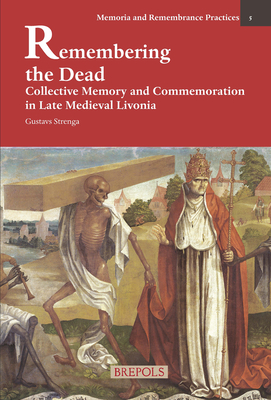
Medieval memoria - commemoration of the dead - was both a form of collective memory and a social practice that was present in every sphere of life. It shaped identities and constituted groups, thus the research of commemorative practices can tell lots about medieval communities. This study reveals importance of memoria as a form collective memory for different groups and institutions: urban government and guilds, the Teutonic Order, bishops and cathedral chapters, and monastic communities, in late medieval Livonia (modern day Latvia and Estonia). Livonia was Christianised during the thirteenth century and rapidly woven in the fabric of medieval European culture and the historiographical narratives of this period represented collective memory of multiple Livonian communities.
Log in to write a review for this book.
No reviews yet. Be the first to share your opinion.
Biography not available.