Derome, Nicolas Editor
Biography not available.

Browse all FOLKLORE books
Browse all GARDENS books
Browse all GRAPHIC NOVELS books
Browse all HISTORY - MEDIEVAL books
Browse all HUMOUR books
Browse all Juvenile Fiction : Biographical - Other books
Browse all Juvenile Fiction : Historical - Other books
Browse all Juvenile Fiction : Legends, Myths, & Fables - Other books
Browse all Juvenile Fiction : People & Places - Other books
Browse all Juvenile Fiction : People & Places - United States - Other books
Browse all Juvenile Fiction : Religious - Other books
Browse all Juvenile Nonfiction : History - Other books
Browse all Juvenile Nonfiction : Mathematics - Advanced books
Browse all Juvenile Nonfiction : People & Places - Other books
Browse all Juvenile Nonfiction : People & Places - United States - Othe books
Browse all LITERARY STUDIES books
Browse all LONDON books
Browse all Medical : Nursing - Mental Health books
Browse all MIND books
Browse all MUSEOLOGY books
Browse all NON-CLASSIFIABLE books
Browse all NONLINEAR SCIENCE books
Browse all POPULAR SCIENCE books
Browse all RELIGIOUS STUDIES books
Browse all SPIRIT books
Browse all SPORT books
Browse all TRAVEL WRITING books
 Out of Stock
Hardback · ISBN 9783030161897
Inclusive of GST and other taxes
Arriving at your doorstep in 10-15 days
Our logisitcs team will make sure everyitem is delivered safely
| ISBN | 9783030161897 |
|---|---|
| Publisher | Springer |
| Publication date | June 2019 |
| Language | English |
| MRP | £129.99 GBP |
| Page count | 172 |
| Item weight | 93 g |
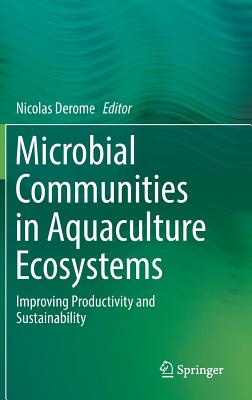
This book sheds light on the major functions of microbial communities in aquaculture ecosystems, showing that by recycling nutrients, degrading organic matter and preventing disease outbreaks, a variety of microbes are truly beneficial to a wide range of aquaculture industries. It discusses how deteriorating environmental quality enables some microbial strains to trigger disease, describes the development of highly sustainable tools to improve water quality, and identifies crucial factors that endanger microbial homeostasis in aquaculture ecosystems.
The book also covers post-antibiotic approaches for preventing and treating opportunistic microbial infections based on harnessing environmental and fish-associated microbial communities. Furthermore, it explores how manipulating and engineering these complex microbial communities using bio-agents such as probiotics, phages, natural nutritional additives, or with fine-tuned biofilters will open the door for new ways to develop a more sustainable and cost-effective aquaculture industry. Including an accessible presentation of modern high-throughput sequencing technology to identify host-microbial interactions in aquaculture ecosystems, this book is a valuable resource for scientists, aquaculture and fishery experts, sustainability enthusiasts and scholars in the areas of biology and marine agriculture.
Log in to write a review for this book.
No reviews yet. Be the first to share your opinion.
Biography not available.