Curtis-Wendlandt, Lisa Author
Biography not available.

Browse all FOLKLORE books
Browse all GARDENS books
Browse all GRAPHIC NOVELS books
Browse all HISTORY - MEDIEVAL books
Browse all HUMOUR books
Browse all Juvenile Fiction : Biographical - Other books
Browse all Juvenile Fiction : Historical - Other books
Browse all Juvenile Fiction : Legends, Myths, & Fables - Other books
Browse all Juvenile Fiction : People & Places - Other books
Browse all Juvenile Fiction : People & Places - United States - Other books
Browse all Juvenile Fiction : Religious - Other books
Browse all Juvenile Nonfiction : History - Other books
Browse all Juvenile Nonfiction : Mathematics - Advanced books
Browse all Juvenile Nonfiction : People & Places - Other books
Browse all Juvenile Nonfiction : People & Places - United States - Othe books
Browse all LITERARY STUDIES books
Browse all LONDON books
Browse all Medical : Nursing - Mental Health books
Browse all MIND books
Browse all MUSEOLOGY books
Browse all NON-CLASSIFIABLE books
Browse all NONLINEAR SCIENCE books
Browse all POPULAR SCIENCE books
Browse all RELIGIOUS STUDIES books
Browse all SPIRIT books
Browse all SPORT books
Browse all TRAVEL WRITING books
 Out of Stock
Paperback · ISBN 9783031191060
Inclusive of GST and other taxes
Arriving at your doorstep in 10-15 days
Our logisitcs team will make sure everyitem is delivered safely
| ISBN | 9783031191060 |
|---|---|
| Publisher | Springer |
| Publication date | February 2024 |
| Language | English |
| MRP | £109.99 GBP |
| Page count | 276 |
| Item weight | 86 g |
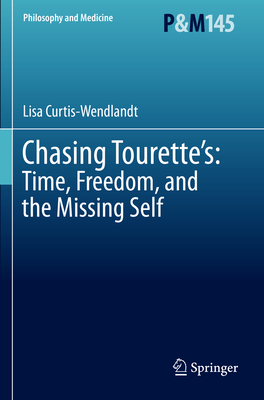
This book offers a philosophical perspective on contemporary Tourette Syndrome scholarship, a field which has exploded over the last thirty years. Despite intense research efforts on this common neurodevelopmental condition in the age of the brain sciences, the syndrome's causes and potential cures remain intriguingly elusive. How does this lack of progress relate to the tacitly operating philosophical concepts that shape our current thinking about Tourette Syndrome? This book foregrounds these tacit concepts and shows how they relate to "big topics" in philosophy such as time, volition, and the self. By tracing how these topics relate to current research on Tourette's, it invites us to re-think our approach to research and care. Such re-thinking is urgently needed: individuals and families living with Tourette Syndrome remain under-serviced as pharmacological and behavioural therapies provide relief for some but not all who need support. This book highlights what questions we ask and do not ask in contemporary scholarship, thereby surfacing invisible constraints and opportunities in the field. It is of interest to scholars, health professionals, students, and affected families who want to better understand this burgeoning field of research with its conceptual controversies, approaches to aetiology, and directions for new research and improved clinical care.
Log in to write a review for this book.
No reviews yet. Be the first to share your opinion.
Biography not available.