Oz, Helieh S. Author
Biography not available.

Browse all FOLKLORE books
Browse all GARDENS books
Browse all GRAPHIC NOVELS books
Browse all HISTORY - MEDIEVAL books
Browse all HUMOUR books
Browse all Juvenile Fiction : Biographical - Other books
Browse all Juvenile Fiction : Historical - Other books
Browse all Juvenile Fiction : Legends, Myths, & Fables - Other books
Browse all Juvenile Fiction : People & Places - Other books
Browse all Juvenile Fiction : People & Places - United States - Other books
Browse all Juvenile Fiction : Religious - Other books
Browse all Juvenile Nonfiction : History - Other books
Browse all Juvenile Nonfiction : Mathematics - Advanced books
Browse all Juvenile Nonfiction : People & Places - Other books
Browse all Juvenile Nonfiction : People & Places - United States - Othe books
Browse all LITERARY STUDIES books
Browse all LONDON books
Browse all Medical : Nursing - Mental Health books
Browse all MIND books
Browse all MUSEOLOGY books
Browse all NON-CLASSIFIABLE books
Browse all NONLINEAR SCIENCE books
Browse all POPULAR SCIENCE books
Browse all RELIGIOUS STUDIES books
Browse all SPIRIT books
Browse all SPORT books
Browse all TRAVEL WRITING books
 Out of Stock
Paperback · ISBN 9783038427919
Inclusive of GST and other taxes
Arriving at your doorstep in 10-15 days
Our logisitcs team will make sure everyitem is delivered safely
| ISBN | 9783038427919 |
|---|---|
| Publisher | MDPI AG |
| Publication date | April 2018 |
| Language | English |
| MRP | £69.40 GBP |
| Page count | 366 |
| Item weight | 173 g |
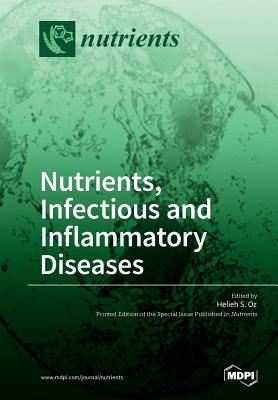
Foodborne disease like salmonellosis and toxoplasmosis are amongst the most significant causes of hospitalization in the U.S. and globally. Gastrointestinal infections alter gut microbiomes and increase permeability to toxins. Various invasions by microbial, fungal, viral and parasitic agents stimulate inflammation, a defensive mechanism of the body's immune system. Other stimuli include environmental stimuli, oxidative stress, aging and the physiological process. A long-lasting, persistent and excessive inflammatory response is a significant risk factor for developing various chronic inflammatory and infectious diseases.
Different nutritional and dietary life styles, whether poor or lacking essential nutritional elements, as well as excess intake, can result in inflammatory complications and loss of function. Nutritional deficiency is linked with several infectious and inflammatory diseases as a cause or consequence. For instance, protein deficiency was reported in orphanages to provoke microbial and fungal complications including Pneumocystis pneumonia. Similarly, protein deficiency is a tell-tale sign of several parasitic diseases. Studies indicate that nutrients, such as amino acids, oligosaccharides, and short-chain fatty acids exert inhibitory and anti-inflammatory functions. These investigations help to understand nutritional contributions to the prevention, treatment and taming of certain inflammatory and infectious diseases. Infectious and inflammatory complications go hand-in-hand with malnutrition.
The purpose of this Special Issue is to publish related new, basic and translational findings and clinical trials in this area. Other investigations or review articles were sought to link infectious and inflammatory diseases with nutrients. In addition, novel diagnostic, preventive and therapeutic modalities were invited to aid the development of nutritional strategies for the treatment and/or prevention of inflammation and infection. Original reviews were of particular interest to advance our understanding of signaling pathways, and the molecular and biochemical mechanisms behind the effects of nutrients on inflammatory and infectious diseases.
Log in to write a review for this book.
No reviews yet. Be the first to share your opinion.
Biography not available.