Charles, Maria Author
Biography not available.

Browse all FOLKLORE books
Browse all GARDENS books
Browse all GRAPHIC NOVELS books
Browse all HISTORY - MEDIEVAL books
Browse all HUMOUR books
Browse all Juvenile Fiction : Biographical - Other books
Browse all Juvenile Fiction : Historical - Other books
Browse all Juvenile Fiction : Legends, Myths, & Fables - Other books
Browse all Juvenile Fiction : People & Places - Other books
Browse all Juvenile Fiction : People & Places - United States - Other books
Browse all Juvenile Fiction : Religious - Other books
Browse all Juvenile Nonfiction : History - Other books
Browse all Juvenile Nonfiction : Mathematics - Advanced books
Browse all Juvenile Nonfiction : People & Places - Other books
Browse all Juvenile Nonfiction : People & Places - United States - Othe books
Browse all LITERARY STUDIES books
Browse all LONDON books
Browse all Medical : Nursing - Mental Health books
Browse all MIND books
Browse all MUSEOLOGY books
Browse all NON-CLASSIFIABLE books
Browse all NONLINEAR SCIENCE books
Browse all POPULAR SCIENCE books
Browse all RELIGIOUS STUDIES books
Browse all SPIRIT books
Browse all SPORT books
Browse all TRAVEL WRITING books
 Out of Stock
Paperback · ISBN 9783038971474
Inclusive of GST and other taxes
Arriving at your doorstep in 10-15 days
Our logisitcs team will make sure everyitem is delivered safely
| ISBN | 9783038971474 |
|---|---|
| Publisher | MDPI AG |
| Publication date | October 2018 |
| Language | English |
| MRP | £56.20 GBP |
| Page count | 284 |
| Item weight | 135 g |
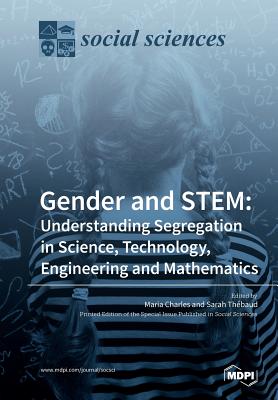
This volume features thirteen original chapters on the causes and consequences of gender segregation in scientific, technical, engineering, and mathematics ("STEM") occupations and fields of study.
Although women have made great strides in equalizing access to labor markets and higher education, many STEM fields--particularly in the physical sciences and engineering--remain strongholds of gender segregation in the United States and other reputably gender-progressive societies. Policymakers, business leaders and activists have launched countless initiatives to diversify access to lucrative, high status occupations and ameliorate labor shortages that diminish innovation and competitiveness.
Contributors to this volume apply diverse theoretical lenses and methodological approaches to understand the individual, interactional, organizational, and cultural dynamics that drive this segregation in the United States. Results show that the gender composition of scientific and technical fields varies a great deal over time and across organizational contexts and socio-demographic groups defined by race, ethnicity, class, and sexuality. But despite this variability, STEM work and STEM workers are widely presumed to be naturally and inevitably masculine. Research presented here reveals how these stereotypes combine with cultural beliefs about natural and fundamental differences between men and women to produce gendered aspirations and reinforce inequalities in the US scientific and technical workforce.
Log in to write a review for this book.
No reviews yet. Be the first to share your opinion.
Biography not available.
Biography not available.