No Contributor Author
Biography not available.

Browse all FOLKLORE books
Browse all GARDENS books
Browse all GRAPHIC NOVELS books
Browse all HISTORY - MEDIEVAL books
Browse all HUMOUR books
Browse all Juvenile Fiction : Biographical - Other books
Browse all Juvenile Fiction : Historical - Other books
Browse all Juvenile Fiction : Legends, Myths, & Fables - Other books
Browse all Juvenile Fiction : People & Places - Other books
Browse all Juvenile Fiction : People & Places - United States - Other books
Browse all Juvenile Fiction : Religious - Other books
Browse all Juvenile Nonfiction : History - Other books
Browse all Juvenile Nonfiction : Mathematics - Advanced books
Browse all Juvenile Nonfiction : People & Places - Other books
Browse all Juvenile Nonfiction : People & Places - United States - Othe books
Browse all LITERARY STUDIES books
Browse all LONDON books
Browse all Medical : Nursing - Mental Health books
Browse all MIND books
Browse all MUSEOLOGY books
Browse all NON-CLASSIFIABLE books
Browse all NONLINEAR SCIENCE books
Browse all POPULAR SCIENCE books
Browse all RELIGIOUS STUDIES books
Browse all SPIRIT books
Browse all SPORT books
Browse all TRAVEL WRITING books
 Out of Stock
Hardback · ISBN 9783111341620
Inclusive of GST and other taxes
Arriving at your doorstep in 10-15 days
Our logisitcs team will make sure everyitem is delivered safely
| ISBN | 9783111341620 |
|---|---|
| Publisher | De Gruyter |
| Publication date | February 2024 |
| Language | English |
| MRP | £91.00 GBP |
| Page count | 380 |
| Item weight | 156 g |
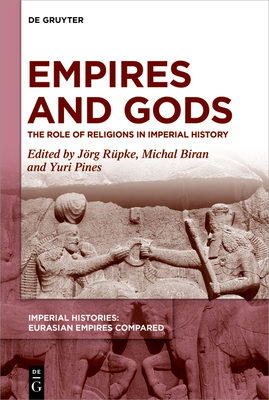
Interaction with religions was one of the most demanding tasks for imperial leaders. Religions could be the glue that held an empire together, bolstering the legitimacy of individual rulers and of the imperial enterprise as a whole. Yet, they could also challenge this legitimacy and jeopardize an empire's cohesiveness. As empires by definition ruled heterogeneous populations, they had to interact with a variety of religious cults, creeds, and establishments. These interactions moved from accommodation and toleration, to cooptation, control, or suppression; from aligning with a single religion to celebrating religious diversity or even inventing a new transcendent civic religion; and from lavish patronage to indifference.
The volume's contributors investigate these dynamics in major Eurasian empires--from those that functioned in a relatively tolerant religious landscape (Ashokan India, early China, Hellenistic, and Roman empires) to those that allied with a single proselytizing or non-proselytizing creed (Sassanian Iran, Christian and Islamic empires), to those that tried to accommodate different creeds through "pay for pray" policies (Tang China, the Mongols), exploring the advantages and disadvantages of each of these choices.
Log in to write a review for this book.
No reviews yet. Be the first to share your opinion.
Biography not available.