Zhang, Yin Author
Biography not available.

Browse all FOLKLORE books
Browse all GARDENS books
Browse all GRAPHIC NOVELS books
Browse all HISTORY - MEDIEVAL books
Browse all HUMOUR books
Browse all Juvenile Fiction : Biographical - Other books
Browse all Juvenile Fiction : Historical - Other books
Browse all Juvenile Fiction : Legends, Myths, & Fables - Other books
Browse all Juvenile Fiction : People & Places - Other books
Browse all Juvenile Fiction : People & Places - United States - Other books
Browse all Juvenile Fiction : Religious - Other books
Browse all Juvenile Nonfiction : History - Other books
Browse all Juvenile Nonfiction : Mathematics - Advanced books
Browse all Juvenile Nonfiction : People & Places - Other books
Browse all Juvenile Nonfiction : People & Places - United States - Othe books
Browse all LITERARY STUDIES books
Browse all LONDON books
Browse all Medical : Nursing - Mental Health books
Browse all MIND books
Browse all MUSEOLOGY books
Browse all NON-CLASSIFIABLE books
Browse all NONLINEAR SCIENCE books
Browse all POPULAR SCIENCE books
Browse all RELIGIOUS STUDIES books
Browse all SPIRIT books
Browse all SPORT books
Browse all TRAVEL WRITING books
 Out of Stock
Hardback · ISBN 9783725871162
Inclusive of GST and other taxes
Arriving at your doorstep in 10-15 days
Our logisitcs team will make sure everyitem is delivered safely
| ISBN | 9783725871162 |
|---|---|
| Publisher | MDPI AG |
| Publication date | March 2026 |
| Language | English |
| MRP | £70.75 GBP |
| Page count | 244 |
| Item weight | 161 g |
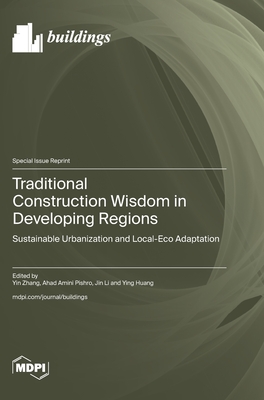
In developing regions, traditional architecture embodies centuries of human ingenuity, reflecting a profound understanding of local environmental dynamics, cultural traditions, and community needs through dwellings and settlements that harmonize with their natural surroundings. Yet, as rapid urbanization and modernization reshape these landscapes, such time-honored practices face unprecedented challenges-often neglected or abandoned in favor of modernity, distancing communities from their architectural heritage while intensifying issues like environmental degradation, resource scarcity, and social inequality. Against this backdrop, this Special Issue reassesses the role of traditional architecture in advancing sustainable urbanization and ecological adaptation, drawing on indigenous building knowledge to uncover innovative responses to contemporary challenges. By bridging ancestral wisdom with emerging concepts such as smart technologies, regionalism, and ecological resilience-with a particular emphasis on rural, remote, and underserved areas-the collected works demonstrate how revitalizing these traditions not only supports ecological goals but also reinforces cultural identity, social cohesion, and local empowerment. Through interdisciplinary collaboration and knowledge exchange, the lessons of the past inform the design, planning, and governance of resilient, culturally vibrant communities, embracing the principles of traditional architecture to pave the way toward a more sustainable, equitable, and harmonious future.
Log in to write a review for this book.
No reviews yet. Be the first to share your opinion.
Biography not available.
Biography not available.
Biography not available.