Benhadi, Aisha Author
Biography not available.

Browse all FOLKLORE books
Browse all GARDENS books
Browse all GRAPHIC NOVELS books
Browse all HISTORY - MEDIEVAL books
Browse all HUMOUR books
Browse all Juvenile Fiction : Biographical - Other books
Browse all Juvenile Fiction : Historical - Other books
Browse all Juvenile Fiction : Legends, Myths, & Fables - Other books
Browse all Juvenile Fiction : People & Places - Other books
Browse all Juvenile Fiction : People & Places - United States - Other books
Browse all Juvenile Fiction : Religious - Other books
Browse all Juvenile Nonfiction : History - Other books
Browse all Juvenile Nonfiction : Mathematics - Advanced books
Browse all Juvenile Nonfiction : People & Places - Other books
Browse all Juvenile Nonfiction : People & Places - United States - Othe books
Browse all LITERARY STUDIES books
Browse all LONDON books
Browse all Medical : Nursing - Mental Health books
Browse all MIND books
Browse all MUSEOLOGY books
Browse all NON-CLASSIFIABLE books
Browse all NONLINEAR SCIENCE books
Browse all POPULAR SCIENCE books
Browse all RELIGIOUS STUDIES books
Browse all SPIRIT books
Browse all SPORT books
Browse all TRAVEL WRITING books
 Out of Stock
Hardback · ISBN 9789377941222
Inclusive of GST and other taxes
Arriving at your doorstep in 10-15 days
Our logisitcs team will make sure everyitem is delivered safely
| ISBN | 9789377941222 |
|---|---|
| Publisher | VIJ Books |
| Publication date | September 2026 |
| Language | English |
| MRP | £55.00 GBP |
| Page count | 398 |
| Item weight | 155 g |
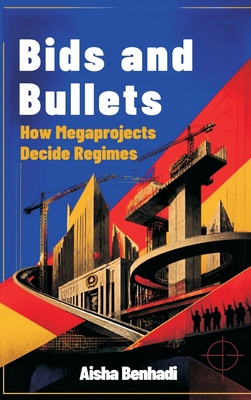
From imperial canals to twenty-first-century smart ports, the struggle for power has often been fought with concrete, steel, and contracts rather than with open conflict. "Bids and Bullets" argues that the real drama of contemporary geopolitics unfolds in loan agreements, tender documents, and feasibility studies. Through a lens of infrastructure politics, the book shows how megaprojects decide whether regimes are strengthened or weakened, and whether states emerge more autonomous or more exposed to external leverage.
Ranging across ports, railways, energy assets, and digital backbones, Aisha Benhadi maps the politics of financing, building, and operating strategic facilities. She examines how debt diplomacy works in practice, how patronage and tender politics shape who wins contracts, and how technical choices made by engineers and consultants can lock countries into long-term dependence. At the same time, she foregrounds local agency, tracing how governors, activists, and everyday users accept, resist, or quietly reshape large projects imposed in the name of development. Historical vignettes sit alongside comparative case studies, revealing recurring patterns of promise, capture, and contestation.
Written for students, policy analysts, journalists, and engaged citizens, the book offers a clear framework for assessing sovereign risk and identifying when seemingly benign infrastructure becomes a lever of influence. Readers learn how to interpret financing structures, legal clauses, and control over strategic assets as indicators of shifting power relations. By the end, "Bids and Bullets" equips its audience not with ready-made answers, but with sharper questions for reading every new corridor, dam, or data centre announcement as a political act with consequences far beyond the construction site.
Log in to write a review for this book.
No reviews yet. Be the first to share your opinion.
Biography not available.