Das, Subhrabaran Author
Biography not available.

Browse all FOLKLORE books
Browse all GARDENS books
Browse all GRAPHIC NOVELS books
Browse all HISTORY - MEDIEVAL books
Browse all HUMOUR books
Browse all Juvenile Fiction : Biographical - Other books
Browse all Juvenile Fiction : Historical - Other books
Browse all Juvenile Fiction : Legends, Myths, & Fables - Other books
Browse all Juvenile Fiction : People & Places - Other books
Browse all Juvenile Fiction : People & Places - United States - Other books
Browse all Juvenile Fiction : Religious - Other books
Browse all Juvenile Nonfiction : History - Other books
Browse all Juvenile Nonfiction : Mathematics - Advanced books
Browse all Juvenile Nonfiction : People & Places - Other books
Browse all Juvenile Nonfiction : People & Places - United States - Othe books
Browse all LITERARY STUDIES books
Browse all LONDON books
Browse all Medical : Nursing - Mental Health books
Browse all MIND books
Browse all MUSEOLOGY books
Browse all NON-CLASSIFIABLE books
Browse all NONLINEAR SCIENCE books
Browse all POPULAR SCIENCE books
Browse all RELIGIOUS STUDIES books
Browse all SPIRIT books
Browse all SPORT books
Browse all TRAVEL WRITING books
 Out of Stock
Paperback · ISBN 9789390951628
Inclusive of GST and other taxes
Arriving at your doorstep in 10-15 days
Our logisitcs team will make sure everyitem is delivered safely
| ISBN | 9789390951628 |
|---|---|
| Publisher | Allied Publishers Pvt. Ltd. |
| Publication date | May 2025 |
| Language | English |
| MRP | £16.99 GBP |
| Page count | 236 |
| Item weight | 71 g |
Among the 17 Sustainable Development Goals (SDGs) adopted by the United Nations, SDG 1 aims to end poverty in all its forms everywhere, while SDG 2 seeks to achieve zero hunger, ensure food security, improve nutrition, and promote sustainable agriculture. To realize these vital goals, the Government of India has launched several agricultural and horticultural schemes specifically designed to safeguard farmers from financial and production losses. These schemes are implemented at the state level with the active involvement and initiatives of respective state governments.
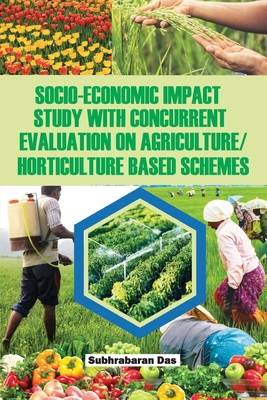
This book presents a comprehensive socio-economic impact study with concurrent evaluation of agriculture and horticulture-based schemes implemented in the state of Tripura. The study is primarily focused on two key dimensions: the evaluation of these schemes and their overall impact on the socio-economic conditions of tribal farmers in the region.
The core objectives of this book are to assess whether the tribal farmers have genuinely benefited from the implementation of these government schemes and to evaluate the extent to which these initiatives have contributed to improving their livelihood. Additionally, the book examines the productivity of various agricultural and horticultural products cultivated by tribal beneficiaries and investigates the socio-economic challenges faced by rural tribal communities.
This work is expected to serve as a valuable resource for policymakers and researchers interested in tribal development and agricultural sustainability.
Log in to write a review for this book.
No reviews yet. Be the first to share your opinion.
Biography not available.