Mohamed, Ahmed Editor
Biography not available.

Browse all FOLKLORE books
Browse all GARDENS books
Browse all GRAPHIC NOVELS books
Browse all HISTORY - MEDIEVAL books
Browse all HUMOUR books
Browse all Juvenile Fiction : Biographical - Other books
Browse all Juvenile Fiction : Historical - Other books
Browse all Juvenile Fiction : Legends, Myths, & Fables - Other books
Browse all Juvenile Fiction : People & Places - Other books
Browse all Juvenile Fiction : People & Places - United States - Other books
Browse all Juvenile Fiction : Religious - Other books
Browse all Juvenile Nonfiction : History - Other books
Browse all Juvenile Nonfiction : Mathematics - Advanced books
Browse all Juvenile Nonfiction : People & Places - Other books
Browse all Juvenile Nonfiction : People & Places - United States - Othe books
Browse all LITERARY STUDIES books
Browse all LONDON books
Browse all Medical : Nursing - Mental Health books
Browse all MIND books
Browse all MUSEOLOGY books
Browse all NON-CLASSIFIABLE books
Browse all NONLINEAR SCIENCE books
Browse all POPULAR SCIENCE books
Browse all RELIGIOUS STUDIES books
Browse all SPIRIT books
Browse all SPORT books
Browse all TRAVEL WRITING books
 Out of Stock
Hardback · ISBN 9789535111627
Inclusive of GST and other taxes
Arriving at your doorstep in 10-15 days
Our logisitcs team will make sure everyitem is delivered safely
| ISBN | 9789535111627 |
|---|---|
| Publisher | IntechOpen |
| Publication date | June 2013 |
| Language | English |
| MRP | £119.00 GBP |
| Page count | 170 |
| Item weight | 105 g |
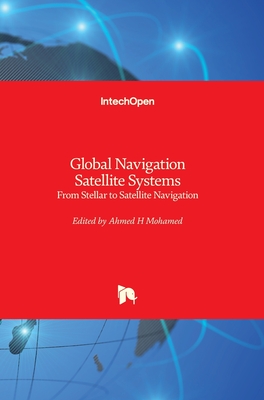
Today, satellite navigation offers convenient alternative to terrestrial and stellar navigation methods that is not only ubiquitous and easy to operate but also available day and night. The radio navigation technology, first appeared in the 1930s and matured in the 1940s, did not take off until the late 1960s and 1970s with the launch of the first navigation satellites by the US Naval and Air Forces, resulting from the NAVSTAR GPS program. The end user navigation equipment, bulky and expensive at the beginning, did not emerge until the microprocessor became viable during the late 1970s. Now-a-day three other global navigation satellite systems are fully or partially operational: the Russian GLONASS, the European Union Galileo, and the Chinese BeiDou. Where does the future lie? Probably in a network of global satellite navigation systems, with increase in satellite coverage and improved accuracy, integrity, and reliability, as these systems further mature. End user equipment will continue to be smaller, more accurate and cheaper. Yet in many respects, satellite navigation systems owe most to the old-time stellar navigation, by keeping man look up to the sky for help.
Log in to write a review for this book.
No reviews yet. Be the first to share your opinion.
Biography not available.