Saat, Norshahril Editor
Biography not available.

Browse all FOLKLORE books
Browse all GARDENS books
Browse all GRAPHIC NOVELS books
Browse all HISTORY - MEDIEVAL books
Browse all HUMOUR books
Browse all Juvenile Fiction : Biographical - Other books
Browse all Juvenile Fiction : Historical - Other books
Browse all Juvenile Fiction : Legends, Myths, & Fables - Other books
Browse all Juvenile Fiction : People & Places - Other books
Browse all Juvenile Fiction : People & Places - United States - Other books
Browse all Juvenile Fiction : Religious - Other books
Browse all Juvenile Nonfiction : History - Other books
Browse all Juvenile Nonfiction : Mathematics - Advanced books
Browse all Juvenile Nonfiction : People & Places - Other books
Browse all Juvenile Nonfiction : People & Places - United States - Othe books
Browse all LITERARY STUDIES books
Browse all LONDON books
Browse all Medical : Nursing - Mental Health books
Browse all MIND books
Browse all MUSEOLOGY books
Browse all NON-CLASSIFIABLE books
Browse all NONLINEAR SCIENCE books
Browse all POPULAR SCIENCE books
Browse all RELIGIOUS STUDIES books
Browse all SPIRIT books
Browse all SPORT books
Browse all TRAVEL WRITING books
 Out of Stock
Paperback · ISBN 9789814881470
Inclusive of GST and other taxes
Arriving at your doorstep in 10-15 days
Our logisitcs team will make sure everyitem is delivered safely
| ISBN | 9789814881470 |
|---|---|
| Publisher | ISEAS-Yusof Ishak Institute |
| Publication date | August 2020 |
| Language | English |
| MRP | £36.00 GBP |
| Page count | 382 |
| Item weight | 113 g |
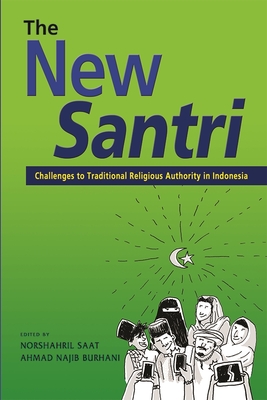
Just like the Gutenberg revolution in the fifteenth century, which led to the emergence of non-conventional religious authority in the Christian world, the current information technology revolution, particularly through mediums such as Facebook, Instagram, YouTube, and Twitter, has triggered the re-construction and decentralization of religious authority in Islam. New santri (pious individuals) and preachers emerged from the non-conventional religious educational system. They not only challenged the traditional authorities, but also redefine and re-conceptualize old religious terminologies, such as hijra and wasatiyya. This book explores the dynamics of religious authority in Indonesia with special attention to the challenges from the "new santri". It is a rich and important book on religion. I recommend students of religion in Indonesia and other countries to read it.
Ahmad Syafi'i Maarif
Professor Emeritus of History at Yogyakarta State University
An important and timely volume that addresses the changing nature of Islamic leadership in the world's most popular Muslim country. This book debunks many (mis)perceptions that Indonesia Islam is monolithic. It also redefines dominant characterization of Islam by Orientalist scholars, such as santri and abangan Muslims.
Haedar Nashir
Chairman of Muhammadiyah
This edited volume evaluates the new development of Islamic scholarship and authority in Indonesia. Things have changed significantly in recent times that make many observers and researchers wondering: has Indonesia moved from traditional authorities, mainstream Islamic organizations, and the established scholarship to the new actors, movements and platforms? Has the change occurs owing to the democratization and political reforms that took place in the last twenty years or are there other factors we need to take into account? The contributors in this book provide possible answers from many different areas and perspectives. It's a must-read!
Nadirsyah Hosen
Monash University, Australia
Log in to write a review for this book.
No reviews yet. Be the first to share your opinion.
Biography not available.
Biography not available.