Robinson, Rachel John Author
Biography not available.

Browse all FOLKLORE books
Browse all GARDENS books
Browse all GRAPHIC NOVELS books
Browse all HISTORY - MEDIEVAL books
Browse all HUMOUR books
Browse all Juvenile Fiction : Biographical - Other books
Browse all Juvenile Fiction : Historical - Other books
Browse all Juvenile Fiction : Legends, Myths, & Fables - Other books
Browse all Juvenile Fiction : People & Places - Other books
Browse all Juvenile Fiction : People & Places - United States - Other books
Browse all Juvenile Fiction : Religious - Other books
Browse all Juvenile Nonfiction : History - Other books
Browse all Juvenile Nonfiction : Mathematics - Advanced books
Browse all Juvenile Nonfiction : People & Places - Other books
Browse all Juvenile Nonfiction : People & Places - United States - Othe books
Browse all LITERARY STUDIES books
Browse all LONDON books
Browse all Medical : Nursing - Mental Health books
Browse all MIND books
Browse all MUSEOLOGY books
Browse all NON-CLASSIFIABLE books
Browse all NONLINEAR SCIENCE books
Browse all POPULAR SCIENCE books
Browse all RELIGIOUS STUDIES books
Browse all SPIRIT books
Browse all SPORT books
Browse all TRAVEL WRITING books
 Out of Stock
Paperback · ISBN 9789999331005
Inclusive of GST and other taxes
Arriving at your doorstep in 10-15 days
Our logisitcs team will make sure everyitem is delivered safely
| ISBN | 9789999331005 |
|---|---|
| Publisher | Eliva Press |
| Publication date | January 2025 |
| Language | English |
| MRP | £64.50 GBP |
| Page count | 200 |
| Item weight | 61 g |
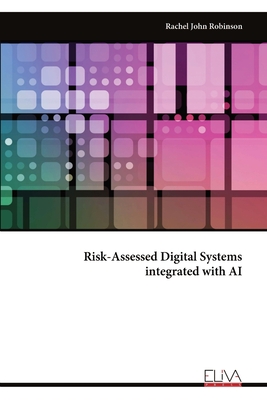
The book argues that traditional risk management frameworks, which rely on historical data and static controls, are inadequate for AI-integrated environments. AI systems, especially those powered by machine learning, are not always transparent or predictable, making it difficult to assess their vulnerabilities using conventional methods. The book introduces a forward-looking framework for AI risk management that emphasises adaptability, continuous monitoring, and cross-functional collaboration. It advocates for proactive strategies where risk is understood, managed, and leveraged for innovation. A detailed case study of SAP risk management practices at a leading e-commerce company illustrates how organisations can implement robust risk management protocols in complex digital ecosystems. The case study highlights the challenges faced, solutions developed, and lessons learned during the integration of AI into the company's operations. The book also explores the human dimensions of AI risk, emphasising the role of leadership in setting the tone for responsible AI use and the need for cross-disciplinary teams. Leaders are encouraged to foster a risk-aware culture that balances innovation with caution, asking tough questions about the ethical implications of AI and the transparency of algorithms. Enablers are provided with frameworks for building secure architectures, conducting risk assessments, and implementing controls. Users are offered tools for understanding AI risks and making informed decisions about their use. Throughout the book, insights from industry, academia, and policy are woven together to create a holistic view of AI risk management. The book presents risk management not as a barrier to innovation but as a catalyst for it, arguing that trust is the foundation of successful AI adoption and that robust risk management is essential for earning and maintaining that trust. As we enter a new technological era, the need for thoughtful, strategic, and adaptive risk management has never been greater. This book offers a vision of AI integration that is innovative, responsible, ethical, and sustainable.
Log in to write a review for this book.
No reviews yet. Be the first to share your opinion.
Biography not available.