Tehillan, Azriel Author
Biography not available.

Browse all FOLKLORE books
Browse all GARDENS books
Browse all GRAPHIC NOVELS books
Browse all HISTORY - MEDIEVAL books
Browse all HUMOUR books
Browse all Juvenile Fiction : Biographical - Other books
Browse all Juvenile Fiction : Historical - Other books
Browse all Juvenile Fiction : Legends, Myths, & Fables - Other books
Browse all Juvenile Fiction : People & Places - Other books
Browse all Juvenile Fiction : People & Places - United States - Other books
Browse all Juvenile Fiction : Religious - Other books
Browse all Juvenile Nonfiction : History - Other books
Browse all Juvenile Nonfiction : Mathematics - Advanced books
Browse all Juvenile Nonfiction : People & Places - Other books
Browse all Juvenile Nonfiction : People & Places - United States - Othe books
Browse all LITERARY STUDIES books
Browse all LONDON books
Browse all Medical : Nursing - Mental Health books
Browse all MIND books
Browse all MUSEOLOGY books
Browse all NON-CLASSIFIABLE books
Browse all NONLINEAR SCIENCE books
Browse all POPULAR SCIENCE books
Browse all RELIGIOUS STUDIES books
Browse all SPIRIT books
Browse all SPORT books
Browse all TRAVEL WRITING books
 Out of Stock
Paperback · ISBN 9798160291826
Inclusive of GST and other taxes
Arriving at your doorstep in 10-15 days
Our logisitcs team will make sure everyitem is delivered safely
| ISBN | 9798160291826 |
|---|---|
| Publisher | Independently published |
| Publication date | October 2026 |
| Language | English |
| MRP | £14.34 GBP |
| Page count | 180 |
| Item weight | 95 g |
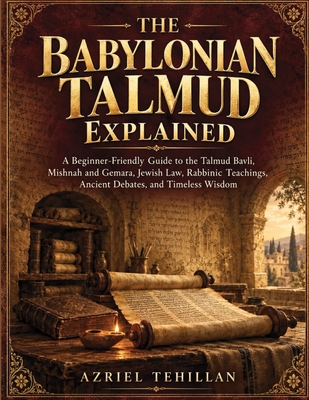
For many people, approaching centuries of rabbinic discussion can feel overwhelming from the very first page. The unfamiliar vocabulary comes quickly. Mishnah and Gemara appear together. Rabbis from different generations speak across the same discussion. One opinion challenges another, an earlier source interrupts the argument, a biblical verse is introduced as evidence, and a seemingly settled question suddenly opens into another debate. Even the page references can seem puzzling, with tractate names followed by numbers and letters such as 2a or 21b. Without clear guidance, it is easy to confuse an objection with a conclusion, assume every recorded opinion became practical law, overlook the importance of historical setting, or abandon the text before discovering how its conversations actually work.
This accessible guide removes those barriers by explaining the essential pieces in a clear and orderly way. It begins with the development of rabbinic tradition and the compilation of the Mishnah, then shows how generations of later sages examined those teachings through the Gemara. You will meet the Tannaim and Amoraim, learn how a sugya develops, recognize baraitot and other sources used as evidence, and see why disagreements and even unsuccessful arguments were preserved. The discussion also explains Halakhah and Aggadah, the relationship between legal reasoning and storytelling, the differences between the Babylonian and Jerusalem Talmuds, and the importance of later figures such as the Geonim, Rashi, and the Tosafists. Practical reference sections bring the material together with the Six Orders of the Mishnah, essential terminology, common discussion expressions, citation guidance, and a chronological guide to important dates and periods.
Inside, you will learn how to:
If you are ready to turn unfamiliar pages into meaningful conversations, recognize the logic behind ancient debates, and discover why generations have continued returning to these remarkable discussions, get your copy today and begin your journey into centuries of rabbinic learning.
Log in to write a review for this book.
No reviews yet. Be the first to share your opinion.
Biography not available.