Seymour, Tarelle Author
Biography not available.

Browse all FOLKLORE books
Browse all GARDENS books
Browse all GRAPHIC NOVELS books
Browse all HISTORY - MEDIEVAL books
Browse all HUMOUR books
Browse all Juvenile Fiction : Biographical - Other books
Browse all Juvenile Fiction : Historical - Other books
Browse all Juvenile Fiction : Legends, Myths, & Fables - Other books
Browse all Juvenile Fiction : People & Places - Other books
Browse all Juvenile Fiction : People & Places - United States - Other books
Browse all Juvenile Fiction : Religious - Other books
Browse all Juvenile Nonfiction : History - Other books
Browse all Juvenile Nonfiction : Mathematics - Advanced books
Browse all Juvenile Nonfiction : People & Places - Other books
Browse all Juvenile Nonfiction : People & Places - United States - Othe books
Browse all LITERARY STUDIES books
Browse all LONDON books
Browse all Medical : Nursing - Mental Health books
Browse all MIND books
Browse all MUSEOLOGY books
Browse all NON-CLASSIFIABLE books
Browse all NONLINEAR SCIENCE books
Browse all POPULAR SCIENCE books
Browse all RELIGIOUS STUDIES books
Browse all SPIRIT books
Browse all SPORT books
Browse all TRAVEL WRITING books
 Out of Stock
Paperback · ISBN 9798174907089
Inclusive of GST and other taxes
Arriving at your doorstep in 10-15 days
Our logisitcs team will make sure everyitem is delivered safely
| ISBN | 9798174907089 |
|---|---|
| Publisher | Independently published |
| Publication date | September 2026 |
| Language | English |
| MRP | £12.61 GBP |
| Page count | 174 |
| Item weight | 53 g |
Drive through Northwest Indiana and the contrast can be impossible to ignore.
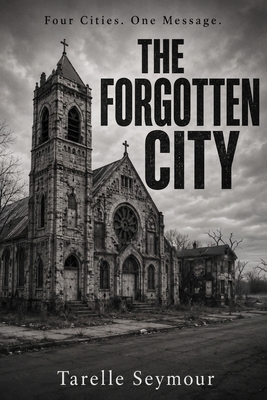
In The Forgotten City: Where the People Are Left Behind, author Tarelle Seymour takes readers beyond statistics and headlines to document what she witnessed firsthand across Crown Point, Merrillville, Miller, and Gary, Indiana.
While new businesses, hotels, restaurants, hospitals, housing, and other developments transform neighboring communities, Seymour turns her camera toward Gary-a city where abandoned homes, shuttered schools, aging buildings, limited resources, and neighborhoods waiting for reinvestment tell a very different story. The manuscript deliberately contrasts Crown Point's rapid development and Merrillville's commercial growth with conditions Seymour documents in Gary.
Featuring more than 400 recent photographs, personal observations, conversations, and lived experiences, this visual documentary invites readers to see Northwest Indiana through the author's eyes. Seymour walks the streets, visits neighborhoods, documents buildings and community spaces, and asks a simple but difficult question:
Why are some communities moving forward while others continue to be left behind?
But this isn't only a story about abandoned buildings.
It's about the people who stayed.
It's about families, neighborhoods, history, dignity, opportunity, and residents who continue believing their communities deserve a future. Seymour's closing reflections emphasize the strength of residents who remain connected to their neighborhoods and her desire to create a conversation about inequality that goes beyond numbers and charts.
Raw, personal, visual, and unapologetically direct, The Forgotten City asks readers not simply to look at Gary-but to look closer.
Because a forgotten city is still home to people who deserve to be seen.
Log in to write a review for this book.
No reviews yet. Be the first to share your opinion.
Biography not available.