Petchinsky, Matthew Author
Biography not available.

Browse all FOLKLORE books
Browse all GARDENS books
Browse all GRAPHIC NOVELS books
Browse all HISTORY - MEDIEVAL books
Browse all HUMOUR books
Browse all Juvenile Fiction : Biographical - Other books
Browse all Juvenile Fiction : Historical - Other books
Browse all Juvenile Fiction : Legends, Myths, & Fables - Other books
Browse all Juvenile Fiction : People & Places - Other books
Browse all Juvenile Fiction : People & Places - United States - Other books
Browse all Juvenile Fiction : Religious - Other books
Browse all Juvenile Nonfiction : History - Other books
Browse all Juvenile Nonfiction : Mathematics - Advanced books
Browse all Juvenile Nonfiction : People & Places - Other books
Browse all Juvenile Nonfiction : People & Places - United States - Othe books
Browse all LITERARY STUDIES books
Browse all LONDON books
Browse all Medical : Nursing - Mental Health books
Browse all MIND books
Browse all MUSEOLOGY books
Browse all NON-CLASSIFIABLE books
Browse all NONLINEAR SCIENCE books
Browse all POPULAR SCIENCE books
Browse all RELIGIOUS STUDIES books
Browse all SPIRIT books
Browse all SPORT books
Browse all TRAVEL WRITING books
 Out of Stock
Paperback · ISBN 9798256072087
Inclusive of GST and other taxes
Arriving at your doorstep in 10-15 days
Our logisitcs team will make sure everyitem is delivered safely
| ISBN | 9798256072087 |
|---|---|
| Publisher | Apophis Enterprises LLC |
| Publication date | May 2026 |
| Language | English |
| MRP | £11.99 GBP |
| Page count | 178 |
| Item weight | 50 g |
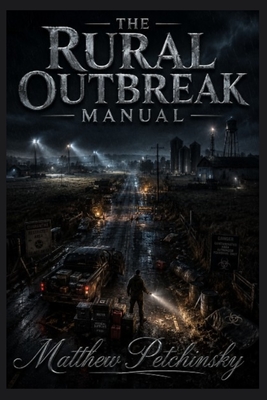
When outbreaks, contamination events, infrastructure failures, or environmental emergencies strike rural communities, distance becomes both a strength and a danger. The Rural Outbreak Manual is a practical preparedness guide designed specifically for individuals and families living beyond major cities where emergency response times are slower, resources are limited, and self-sufficiency becomes critical.
This detailed manual explores the unique challenges rural households face during high-risk conditions, including contaminated water systems, food storage failures, rodent exposure, ventilation problems, sanitation breakdowns, and long-term isolation. Readers will learn how to identify environmental warning signs, build safer food and water systems, create emergency preparedness plans, reduce contamination risks, and maintain emotional resilience during uncertain times.
Inside this book are extensive preparedness routines, sanitation systems, emergency supply checklists, contamination prevention methods, psychological endurance exercises, and practical survival strategies designed to improve long-term household stability. Rather than promoting panic, this guide focuses on calm preparation, awareness, organization, and sustainable resilience.
For anyone seeking a grounded and realistic approach to rural emergency preparedness, The Rural Outbreak Manual offers practical systems designed to help households remain safer, calmer, and more self-reliant during difficult conditions.
Log in to write a review for this book.
No reviews yet. Be the first to share your opinion.
Biography not available.