Fatehi Rad, Neda Author
Biography not available.

Browse all FOLKLORE books
Browse all GARDENS books
Browse all GRAPHIC NOVELS books
Browse all HISTORY - MEDIEVAL books
Browse all HUMOUR books
Browse all Juvenile Fiction : Biographical - Other books
Browse all Juvenile Fiction : Historical - Other books
Browse all Juvenile Fiction : Legends, Myths, & Fables - Other books
Browse all Juvenile Fiction : People & Places - Other books
Browse all Juvenile Fiction : People & Places - United States - Other books
Browse all Juvenile Fiction : Religious - Other books
Browse all Juvenile Nonfiction : History - Other books
Browse all Juvenile Nonfiction : Mathematics - Advanced books
Browse all Juvenile Nonfiction : People & Places - Other books
Browse all Juvenile Nonfiction : People & Places - United States - Othe books
Browse all LITERARY STUDIES books
Browse all LONDON books
Browse all Medical : Nursing - Mental Health books
Browse all MIND books
Browse all MUSEOLOGY books
Browse all NON-CLASSIFIABLE books
Browse all NONLINEAR SCIENCE books
Browse all POPULAR SCIENCE books
Browse all RELIGIOUS STUDIES books
Browse all SPIRIT books
Browse all SPORT books
Browse all TRAVEL WRITING books
 Out of Stock
Paperback · ISBN 9798280031982
Inclusive of GST and other taxes
Arriving at your doorstep in 10-15 days
Our logisitcs team will make sure everyitem is delivered safely
| ISBN | 9798280031982 |
|---|---|
| Publisher | Independently published |
| Publication date | April 2025 |
| Language | English |
| MRP | £25.13 GBP |
| Page count | 168 |
| Item weight | 90 g |
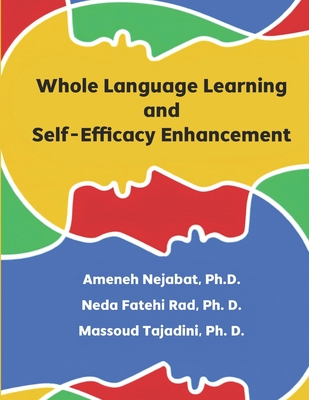
Holistic procedures in teaching and developing oral language skills are designed to achieve specific objectives. A fundamental concept of the holistic language approach is that learners build their understanding of language tasks and activities through interaction, creating meaning in ways unique to their individual comprehension. Additionally, the language learners engage with and the texts they read should open new horizons for them, providing a safe and constructive environment where they can acquire language skills effectively without fear of criticism or ridicule. This approach allows learners to become self-reliant, expanding their knowledge based on previous experiences.
Teachers play a guiding role in holistic education, fostering learners' creativity, supporting their development, and encouraging engagement beyond the classroom. Learners improve their performance across various subjects and activities while becoming active participants in social communication. Educators can modify language curricula to create immersive English environments, encouraging creativity, brainstorming, and refining the role of teaching and learning processes. This strategy helps learners transition from passive recipients to active contributors within society, equipping them with essential communication skills.
Holistic education can serve as an alternative for foreign language acquisition, aiding learners in various aspects, including improving their social traits such as self-efficacy. Its significance may benefit students at foundational stages in language institutes. Teachers can adopt holistic teaching techniques to develop oral skills, while curriculum designers can incorporate holistic strategies into textbooks to enhance learner creativity and engagement.
One influential aspect of holistic education focuses on strategy-based processes that simplify the learning of core language skills-reading, writing, speaking, and listening. Despite its efficiency, traditional methods often concentrate solely on the learning process without addressing communication strategies. This study seeks to identify strategies to overcome these gaps. Moreover, integrating holistic and traditional teaching methods can improve communication skills effectively, addressing the limitations of conventional procedures.
Log in to write a review for this book.
No reviews yet. Be the first to share your opinion.
Biography not available.
Biography not available.
Biography not available.